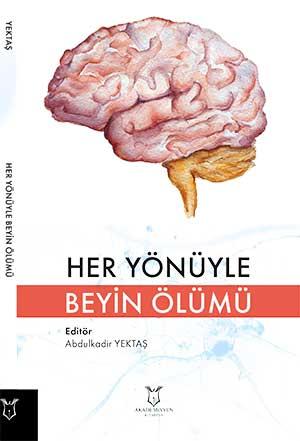
Pediatrik Hastada Donör Bakımı ve Potansiyel Donör Bakımı
Özet
Pediatrik donör bakımı, beyin ölümü tanısı almış çocuk hastalarda organ fonksiyonlarının korunarak nakil havuzunun artırılmasını ve sürecin çok disiplinli yönetimini kapsar. Beyin ölümü sonrası gelişen aşırı kafa içi basınç artışı, "Cushing Cevabı" ve otonomik fırtına gibi fizyolojik değişimler; hemodinamik kararsızlığa, hormonal yetersizliklere (özellikle diabetes insipitus) ve akciğer, kalp, böbrek ile karaciğer gibi hedef organlarda ciddi hasarlara yol açar. Bu süreçte donörün yakın takibi, ideal hemodinamik parametrelerin (CVP, arter basıncı, idrar çıkışı) korunması, akciğer koruyucu ventilasyon stratejileri, hormon replasman tedavileri (steroid, tiroid, insülin) ve enfeksiyon kontrolü hayati önem taşır. Tıbbi bakımın yanı sıra potansiyel donör yönetimi, aile onam sürecinin hassasiyetle yürütülmesini gerektirir. Ailelerin dini, kültürel önyargıları veya ölümü kabullenmekte zorlanmaları nedeniyle yaşadıkları çelişkiler bağış oranlarını düşürmektedir; bu nedenle eğitimli ve iletişim becerisi yüksek profesyonel ekiplerce ailelerin doğru bilgilendirilmesi, hem bağışlanan organ sayısını hem de çocuk hastalardaki transplantasyon başarısını doğrudan artırmaktadır
Pediatric donor care encompasses the preservation of organ functions in pediatric patients diagnosed with brain death to expand the transplant pool and requires multidisciplinary management. Physiological changes after brain death, such as excessive intracranial pressure increase, "Cushing's Response," and autonomic storm, lead to hemodynamic instability, hormonal deficiencies (especially diabetes insipidus), and severe damage to target organs including the lungs, heart, kidneys, and liver. During this process, close monitoring of the donor, maintaining ideal hemodynamic parameters (CVP, arterial pressure, urine output), lung-protective ventilation strategies, hormone replacement therapies (steroid, thyroid, insulin), and infection control are of vital importance. Along with medical care, potential donor management requires the family consent process to be conducted with utmost sensitivity. Discrepancies experienced by families due to religious or cultural prejudices, or difficulty in accepting death, reduce donation rates; therefore, proper informing of families by trained professional teams with high communication skills directly increases both the number of donated organs and the success rate of transplantation in pediatric patients.
Referanslar
Smith M. Physiologic changes during brain stem death-lessons for management of the organ donor. J Heart Lung Transplant 2004;23(9):217-222.
Dubose J and Salim A. Agressive Organ Donor Management Protocol. J İntensive Care Med 2008;23(6):367-375.
Martin-Loeches I, Sandiumenge A, Charpentier J, Kellum John, Gaffney MA, Procaccio F, et al. Ma- nagement of donation after brain death (DBD) in the ICU: the potential donor is identi ed, what’s next? Intensive Care Med 2019;45(3):322-330.
Tay M. Türkiye’ de doku ve organ naklinin önemi, Health Care Acad J 2016;3(3):106-110.
Klein, A., Lewis, C., & Madsen, J. (Eds.) Organ Transplantation: A Clinical Guide 2011;5:53-62.
Salim A, Martin M, Brown C, Inaba K, Roth B, Hadjizacharia P, et al. Using thyroid hormone in brain-dead donors to maximize the number of organs available for transplantation. Clin Transplant 2007;21(3):405-409.
Ryan JB1, Hicks M, Cropper JR, Garlick SR, Kesteven SH, Wilson MK, et al. Functional evidence of reversible ischemic injury immediately after the sympathetic storm associated with experimental brain death. J Heart Lung Transplant 2003;22(8):922-928.
Bratton SL, Davis RL. Acute lung injury in isolated traumatic brain injury. Neurosurgery. 1997;40(4):707-712.
Vermeij JD, Aslami H, Fluiter K, Roelofs JJ, van den Bergh WM, Juffermans NP, et al. Traumatic brain injury in rats induces lung injury and systemic immune suppression. J Neurotrauma 2013;30(24):2073-2079.
Novitzyk D, Cooper DK, Rosendale JD and Kauffman HM. Hormonal Therapy of the Brain Death Organ Donor: Experimental And Clinical Studies. Transplantation 2006;82(11):1396-1401.
Meyfroidt G, Gunst J, Smith M, Robba C, Taccone FS and Citerio G. Management of the brain-dead donor in the ICU: general and specific therapy to impro ve transplantable organ quality. Intensive Care Med 2019;45(3):343-353.
Arslan A ve Dilek A: Organ Bağışında Aile Algısı ve İletişim. Turk Neph Dial Transpl 2017;26(2):147-153.
Can F, Organ Bağışında Aile Onayı Üzerine Bir Gözden Geçirme. Nesne 2017;5(9)131-149.
Tilif S, Gürkan A, Kaçar S, Varılsüha C, Karaca C, Onursal K, ve ark. Organ bağışına etki eden faktörler. Turk J Surg 2006;22(4):133-136.
Ralph A, Chapman JR, Gillis J, Craig JC, Butow P, Howard K, et al. Family perspectives on deceased organ donation: Thematic synthesis of qualitative studies. Am J Transplant 2014;14(4):923-935.
Özbolat, A. “Organlarımla Dirilmek İstiyorum.”- Organ Bağışının Dini-Toplumsal Arkaplanı, Çukurova Üniversitesi İlahiyat Fakültesi Dergisi 2017;17(1):61-87.
Lopez Martinez JS, Martin Lopez MJ, Scandroglio B and Martinez Garcia JM: Family perception of the process of organ donation. Qualitative psycho-social analysis of the subjective interpretation of donor and nondonor families. Span J Psychol 2008;11(1):125-136.
B., Ruiz, P., Guerrero, F., Lopez, G. and Ortuno, C. Organ donation: a comparison of donating and non-donating families. Transplantation Proceedings 2005;37(3):1557-1559.