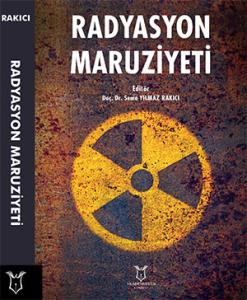
Radyasyonun Nörofizyolojik Etkileri
Özet
İyonlaştırıcı radyasyon maruziyeti, merkezi sinir sistemi üzerinde hem akut hem de uzun vadede ciddi nörofizyolojik hasarlara yol açmaktadır. Özellikle beyin kanserlerinin tedavisinde yaygın olarak kullanılan radyoterapi uygulamaları, sinir sisteminin göreceli direncine rağmen DNA hasarı, oksidatif stres, hücre ölümü ve sistemik inflamasyon gibi karmaşık hücresel değişiklikleri indüklemektedir. Bu süreç, öğrenme ve hafıza için kritik bir bölge olan hipokampus ile amigdaladaki nöral kök hücrelere zarar vererek postnatal nörogenezi ve sinaptik plastisiteyi olumsuz etkilemektedir. Hücresel düzeyde mikroglia, astrosit ve oligodendrosit gibi glial hücrelerin fonksiyonları bozularak proinflamatuar sitokinlerin salınımı artmakta, bu durum ilerleyici demiyelinizasyona ve beyaz cevher atrofisine neden olmaktadır. Hiroşima ve Çernobil gibi nükleer kazalara maruz kalanlar ile kraniyal ışınlama tedavisi gören hastalar üzerinde yapılan epidemiyolojik ve klinik çalışmalar; radyasyonun dozuna, süresine ve maruz kalınan yaşa bağlı olarak zeka geriliği, sözel/uzamsal bellek kayıpları, dikkat eksikliği ve hızlandırılmış yaşlanma gibi belirgin bilişsel gerilemeleri doğrulamaktadır. Deneysel in vivo ve in vitro kemirgen modelleri de radyasyonun kan-beyin bariyerini bozduğunu ve kalıcı öğrenme eksikliklerini tetiklediğini açıkça ortaya koymaktadır.
Exposure to ionizing radiation can induce severe acute and long-term neurophysiological damage within the central nervous system. Although the nervous system is relatively resistant, therapeutic cranial radiotherapy triggers a complex network of molecular and cellular disruptions, including DNA damage, oxidative stress, cell death, and neuroinflammation. This exposure profoundly impairs neural stem cells within the hippocampus and amygdala—regions crucial for spatial learning and memory—thereby hindering postnatal neurogenesis and neuroplasticity. At the cellular level, radiation disrupts glial cells such as microglia, astrocytes, and oligodendrocytes, accelerating the release of proinflammatory factors, progressive demyelination, and white matter atrophy. Clinical and epidemiological studies on individuals exposed to nuclear disasters like Hiroshima and Chernobyl, as well as patients undergoing cranial irradiation, demonstrate that radiation leads to severe cognitive decline, memory deficits, attention failure, and accelerated aging depending on the dose and exposure duration. Experimental in vivo and in vitro rodent models further confirm that cranial irradiation impairs blood-brain barrier functionality and causes persistent, progressive learning deficits.
Referanslar
Radiation Health Effects. Available from: https://www.epa.gov/radiation/radiation-health-effects
Pariset E, Malkani S, Cekanaviciute E, et al. Ionizing radiation-induced risks to the central nervous system and countermeasures in cellular and rodent models. Int J Radiat Biol. 2020;0(0):1–19.
Helson L. Radiation-induced demyelination and remyelination in the central nervous system: A literature review. Anticancer Res. 2018;38(9):4999–5002.
Richards LJ, Kilpatrick TJ, Bartlett PF. De novo generation of neuronal cells from the adult mouse brain. Proc Natl Acad Sci U S A. 1992;89(18):8591–5.
Jhaveri DJ, Tedoldi A, Hunt S, et al. Evidence for newly generated interneurons in the basolateral amygdala of adult mice. Mol Psychiatry. 2018;23(3):521–32.
Monje ML, Mizumatsu S, Fike JR, et al. Irradiation induces neural precursor-cell dysfunction. Nat Med. 2002;8(9):955–62.
Marty VN, Vlkolinsky R, Minassian N, et al. Radiation-induced alterations in synaptic neurotransmission of dentate granule cells depend on the dose and species of charged particles. Radiat Res. 2014;182(6):653–65.
Boström M, Kalm M, Karlsson N, et al. Irradiation to the young mouse brain caused long-term, progressive depletion of neurogenesis but did not disrupt the neurovascular niche. J Cereb Blood Flow Metab. 2013;33(6):935–43.
Ji S, Tian Y, Lu Y, et al. Irradiation-induced hippocampal neurogenesis impairment is associated with epigenetic regulation of bdnf gene transcription. Brain Res. 2014;1577:77–88.
Parihar VK, Limoli CL. Cranial irradiation compromises neuronal architecture in the hippocampus. Proc Natl Acad Sci U S A. 2013;110(31):12822–7.
Hladik D, Tapio S. Effects of ionizing radiation on the mammalian brain. Mutat Res - Rev Mutat Res. 2016;770(April):219–30.
Chu C, Gao Y, Lan X, et al. Stem-Cell Therapy as a Potential Strategy for Radiation-Induced Brain Injury. Stem Cell Rev Reports. 2020;16(4):639–49.
Panagiotakos G, Alshamy G, Chan B, et al. Long-term impact of radiation on the stem cell and oligodendrocyte precursors in the brain. PLoS One. 2007;2(7).
Betlazar C, Middleton RJ, Banati RB, et al. The impact of high and low dose ionising radiation on the central nervous system. Redox Biol. 2016;9:144–56.
Hall P, Adami H, Trichopoulos D, et al. function in adulthood : Swedish population based cohort study. Br J Radiol. 2004;328
Otake M, Schull WJ. In utero exposure to A-bomb radiation and mental retardation; A reassessment. Br J Radiol. 1984;57(677):409–14.
Yoshimaru H, Otake M, Schull WJ, et al. Further observations on abnormal brain development caused by prenatal a-bomb exposure to ionizing radiation. Int J Radiat Biol. 1995;67(3):359–71.
Ron E, Modan B, Floro S, et al. Mental function following scalp irradiation during childhood. Am J Epidemiol. 1982;116(1):149–60.
Greene-Schloesser D, Robbins ME, Peiffer AM, et al. Radiation-induced brain injury: A review. Front Oncol. 2012;2:1–18.
Bazyka DA, Loganovsky KM, Ilyenko IM, et al. Gene expression, telomere and cognitive deficit analysis as a function of chornobyl radiation dose and age: From in utero to adulthood. Probl Radiatsiinoi Medytsyny ta Radiobiolohii. 2015;2015(20):283–310.
Polyukhov AM, Kobsar IV, Grebelnik VI, et al. The accelerated occurrence of age-related changes of organism in Chernobyl workers: A radiation-induced progeroid syndrome? Exp Gerontol. 2000;35(1):105–15.
Roman DD, Sperduto PW. Neuropsychological effects of cranial radiation: current knowledge and future directions. Int J Radiat Oncol Biol Phys. 1995;31(4):983–98.
Liu Y, Xiao S, Liu J, et al. An experimental study of acute radiation-induced cognitive dysfunction in a young rat model. Am J Neuroradiol. 2010;31(2):383–7.
Raber J, Rola R, LeFevour A, et al. Radiation-induced cognitive impairments are associated with changes in indicators of hippocampal neurogenesis. Radiat Res. 2004;162(1):39–47.
Nageswara Rao AA, Ye H, Decker PA, et al. Therapeutic doses of cranial irradiation induce hippocampus-dependent cognitive deficits in young mice. J Neurooncol. 2011;105(2):191–8.
Kanzawa T, Iwado E, Aoki H, et al. Ionizing radiation induces apoptosis and inhibits neuronal differentiation in rat neural stem cells via the c-Jun NH2-terminal kinase (JNK) pathway. Oncogene. 2006;25(26):3638–48.
Gao WM, Wang B, Zhou XY. Effects of prenatal low-dose beta radiation from tritiated water on learning and memory in rats and their possible mechanisms. Radiat Res. 1999;152(3):265–72.
Sandor N, Walter FR, Bocsik A, et al. Low dose cranial irradiation-induced cerebrovascular damage is reversible in mice. PLoS One. 2014;9(11).