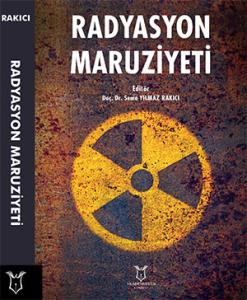
Akut Radyasyon Sendromunda Destekleyici Bakım, TBI Ölümcüllüğü, Kök Hücre Kurtarma Tedavisi
Özet
Akut Radyasyon Sendromu (ARS), yüksek dozda iyonlaştırıcı radyasyona maruz kalınmasıyla ortaya çıkan; hematopoetik, gastrointestinal ve nörovasküler sistemleri etkileyen ciddi bir klinik tablodur. Total Vücut Işınlaması (TBI) sonrasında hasarın şiddeti; doza, doku tipine ve maruziyet süresine göre değişmekte olup, 2 Gy altındaki dozlarda kemik iliği kendini onarabilirken, yüksek dozlar ölümcül sendromlara yol açar. Doz tahmini; personel dozimetreleri, lenfosit sayımı, kusma zamanı ve kromozom aberasyon testleriyle yapılır. Tedavide METREPOL skorlama sistemiyle hastalar sınıflandırılarak sıvı dengesi, enfeksiyon profilaksisi ve G-CSF gibi sitokin destekleri uygulanır. Hematopoetik kök hücre nakli (HKHT) ise geri dönüşümsüz organ hasarı olmayan ve 7-10 Gy doz alan ağır vakalarda 14-21 günlük izlemden sonra düşünülür. Ancak, donör bulma zorlukları, engraftment sendromu ve immünosupresyon riskleri nedeniyle HKHT'nin ARS vakalarındaki başarı oranı klinik olarak halen tartışmalıdır.
Acute Radiation Syndrome (ARS) is a severe clinical condition resulting from high-dose ionizing radiation exposure within a short period, characterized by hematopoietic, gastrointestinal, and neurovascular symptoms. Following Total Body Irradiation (TBI), injury severity depends on the dose, tissue type, and exposure rate; while bone marrow damage can recover below 2 Gy, higher doses lead to fatal syndromes. Dose estimation relies on personnel dosimeters, absolute lymphocyte counts, time to emesis, and chromosome aberration assays. Based on the METREPOL scoring system, management includes fluid regulation, infection prophylaxis, and cytokine supports like G-CSF. Hematopoietic stem cell transplantation (HSCT) is considered for severe cases exposed to 7-10 Gy without irreversible organ damage, following a 14-21 day observation period. However, due to challenges in donor matching, engraftment syndrome, and immunosuppression risks, the success rate of HSCT in ARS remains clinically controversial.
Referanslar
Waselenko JK, MacVittie TJ, Blakely WF, et al. MedicalManagement of the Acute Radiation Syndrome: Recommendations of the Strategic National StockpileRadiation Working Group. Ann Intern Med. 2004;140:1037-1051.
Flynn DF, Goans RE. Nuclear terrorism: triage and medical management of radiation and combined-injury casualties. Surg Clin North Am. 2006;86: 601–636.
Lorenz E, Congdon C, Uphoff D. Modification of acute irradiation injury in mice and guinea-pigs by bone marrow injections. Radiology. 1952;58(6):863-77.
Qian L, Cen J. Hematopoietic Stem Cells and Mesenchymal Stromal Cells in Acute Radiation Syndrome. Oxid Med Cell Longev. 2020;2020:8340756.
Bouville A, Anspaugh L, Beebe GQ. What is desirable and feasible in dose reconstruction for application in epidemiological studies? In: Karaglou A, Desmetg G, KellyGN, editors. The radiological consequences of the Chernobyl accident. Luxembourg: Office for Official Public of the European Communities; 1996.
Brooks AL. Biomarkers of exposure, sensitivity and disease. Int J Radiat Biol. 1999; 75: 1481-1503.
Lushbaugh CC. Management of Persons Accidentally Contaminated with Radionuclides. NCRP Report No. 65. Medical Physics. 1981;8(4):525-6.
Ishıhara T, Sasakı MS. Radiation Induced ChromosomeDamage in man. New York: Alan R. Liss; 1983.
Szırmai S, Berces J, Köteles GJ. Computerized image analysisfor determination of micronucleus requency. Environ HealthPerspect. 1993;101(Suppl 3):57-60.
Gorin NC, Fliedner TM, Gourmelon P, et al. Consensusconference on European preparedness for haematologicaland other medical management of mass radiation accidents. Ann Hematol. 2006; 85: 671-679.
Gourmelon P, Benderitter M, Bertho JM, et al. Europeanconsensus of the medical management of acute radiationsyndrome and analysis of the radiation accidents in Belgiumand Senegal. Health Phys. 2010; 98: 825-832.
Fliedner TM, Friesecke I, Beyrer K. British Institute of Radiology, editors. Medical management of radiation accident—manual on the acute radiation syndrome (METREPOL European Commission concerted action) British Institute of Radiology; Oxford: 2001. p. 1–66; compendium p. C1–C21
Donnelly EH, Nemhauser JB, Smith JM. Acute radiation syndrome: assessment and management. South Med J. 2010; 103: 541–544.
The medical aspects of radiation incidents. Radiation Emergency Assistance Center/Training Site. REACT/TS. Accessed November 2010.
López M, Martín M. Medical management of the acute radiation syndrome. Reports of practical oncology and radiotherapy. 2011;16(4):138-46.
Dainiak N. Rationale and recommendations for treatment of radiation injury with cytokines. Health Phys. 2010;98: 838–842.
Gorin NC, Fliedner TM, Gourmelon P. Consensus conference on European preparedness for haematological and other medical management of mass radiation accidents. Ann Hematol. 2006; 85: 671–679.
Gourmelon P, Benderitter M, Bertho JM. European consensus of the medical management of acute radiation syndrome and analysis of the radiation accidents in Belgium and Senegal. Health Phys. 2010; 98: 825–832.