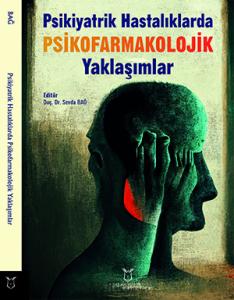
Anksiyete Bozukluklarının Psikofarmakolojik Tedavisi
Özet
Anksiyete bozukluklarının psikofarmakolojik tedavisini ele alan bu yazı; antidepresanlar, antikonvülzanlar, benzodiazepinler ve antipsikotikler gibi ilaç gruplarının kullanımını, etkinliğini ve yan etkilerini detaylıca incelemektedir. Tedavide ilk seçenek olarak daha güvenli ve tolere edilebilir olan SSRI ve SNRI grubu antidepresanlar öne çıkarken, paroksetin Yaygın Anksiyete Bozukluğu (YAB) için FDA onaylı tek SSRI olarak belirtilmiştir. İlaçların aniden kesilmesi durumunda özellikle paroksetin ve venlafaksinde belirgin çekilme sendromları görülebilmekte, ayrıca erişkinlerde intihar riskine karşı dikkatli olunması gerekmektedir. Benzodiazepinler ise bağımlılık ve uzun vadede etkinlik kaybı riskleri nedeniyle artık yalnızca akut dönemde semptomları hızla hafifletmek amacıyla kısa süreli önerilmektedir. Pregabalin monoterapi ve yardımcı tedavide kanıtlara sahipken, atipik antipsikotikler (ketiapin, risperidon) standart tedaviye yanıt vermeyen dirençli olgularda güçlendirme amacıyla tercih edilmektedir. Çocuk ve ergenlerde anksiyete tedavisinde Bilişsel Davranışçı Terapi (BDT) ile sertralin kombinasyonunun tek başına tedavilerden daha etkili olduğu saptanmıştır. Gebelik döneminde ise ilk trimesterde ilaç kullanımının kardiyak malformasyon gibi riskleri bulunsa da annenin tedavi edilmemiş anksiyetesinin yaratacağı olumsuzluklar nedeniyle SSRI grubu ile tedaviye devam edilmesi veya alternatif olarak BDT uygulanması tavsiye edilmektedir.
The text, which addresses the psychopharmacological treatment of anxiety disorders, thoroughly examines the use, efficacy, and side effects of drug classes such as antidepressants, anticonvulsants, benzodiazepines, and antipsychotics. While SSRIs and SNRIs stand out as the primary choice due to being safer and better tolerated, paroxetine is highlighted as the only FDA-approved SSRI for Generalized Anxiety Disorder (GAD). Abrupt discontinuation of these drugs can lead to withdrawal syndromes, particularly with paroxetine and venlafaxine, and caution is advised regarding the increased risk of suicide in adults. Although benzodiazepines were long preferred, they are now recommended only for short-term use during the acute phase to rapidly relieve symptoms due to risks of dependence and lack of long-term efficacy. Pregabalin has evidence as monotherapy or adjunctive treatment, whereas atypical antipsychotics (quetiapine, risperidone) are preferred for augmentation in cases with insufficient response to standard therapies. In children and adolescents, the combination of Cognitive Behavioral Therapy (CBT) and sertraline was found to be more effective than either treatment alone. During pregnancy, although antidepressant use in the first trimester carries risks like cardiac malformations, treatment with SSRIs is recommended over leaving the mother's anxiety untreated, or CBT is suggested as an alternative.
Referanslar
Baldwin, D. S., et al. (2011). "Evidence-based pharmacological treatment of generalized anxiety disorder." The The International Journal of Neuropsychopharmacology 14(5): 697-710.
Bandelow, B., et al. (2022). "Treatment of anxiety disorders." Dialogues in clinical neuroscience.
Bandelow, B., et al. (2008). "World Federation of Societies of Biological Psychiatry (WFSBP) guidelines for the pharmacological treatment of anxiety, obsessive-compulsive and post-traumatic stress disorders–first revision." The World Journal of Biological Psychiatry 9(4): 248-312.
Chessick, C. A., et al. (2006). "Azapirones for generalized anxiety disorder." Cochrane Database of Systematic Reviews(3).
Flandreau, E. I., et al. (2013). "Escitalopram alters gene expression and HPA axis reactivity in rats following chronic overexpression of corticotropin-releasing factor from the central amygdala." Psychoneuroendocrinology 38(8): 1349-1361.
Flores, A., et al. (2014). "The hypocretin/orexin system mediates the extinction of fear memories." Neuropsychopharmacology 39(12): 2732-2741.
Hussain, F. S., et al. (2016). "Pharmacologic treatment of pediatric anxiety disorders." Current treatment options in psychiatry 3(2): 151-160.
Huybrechts, K. F., et al. (2014). "Antidepressant use in pregnancy and the risk of cardiac defects." New England Journal of Medicine 370(25): 2397-2407.
Levinson-Castiel, R., et al. (2006). "Neonatal abstinence syndrome after in utero exposure to selective serotonin reuptake inhibitors in term infants." Archives of pediatrics & adolescent medicine 160(2): 173-176.
Oyebode, F., et al. (2012). "Psychotropics in pregnancy: safety and other considerations." Pharmacology & therapeutics 135(1): 71-77.
Perugi, G., et al. (2002). "Open-label evaluation of venlafaxine sustained release in outpatients with generalized anxiety disorder with comorbid major depression or dysthymia: effectiveness, tolerability and predictors of response." Neuropsychobiology 46(3): 145-149.
Pollack, M. H., et al. (2008). "Early improvement during duloxetine treatment of generalized anxiety disorder predicts response and remission at endpoint." Journal of Psychiatric Research 42(14): 1176-1184.
Rynn, M., et al. (2006). "Early response and 8‐week treatment outcome in GAD." Depression and anxiety 23(8): 461-465.
Sadock, B. J. S., et al. (2017). Kaplan dan Sadock’s Comprehensive textbook of psychiatrry, Lippincott Williams & Wilkins.
Soya, S. and T. Sakurai (2020). "Orexin as a modulator of fear-related behavior: hypothalamic control of noradrenaline circuit." Brain Research 1731: 146037.
Stahl, S. M. (2021). Stahl's essential psychopharmacology: neuroscientific basis and practical applications, Cambridge university press.
Walkup, J. T., et al. (2008). "Cognitive behavioral therapy, sertraline, or a combination in childhood anxiety." New England Journal of Medicine 359(26): 2753-2766.